Athyx Learn
Lactate is the signal your body uses to separate easy from hard. Learn to read it, and you unlock the edge, the alpha, that turns training into precision.
Ontology Layer
1.0 Turn messy physiology into structure

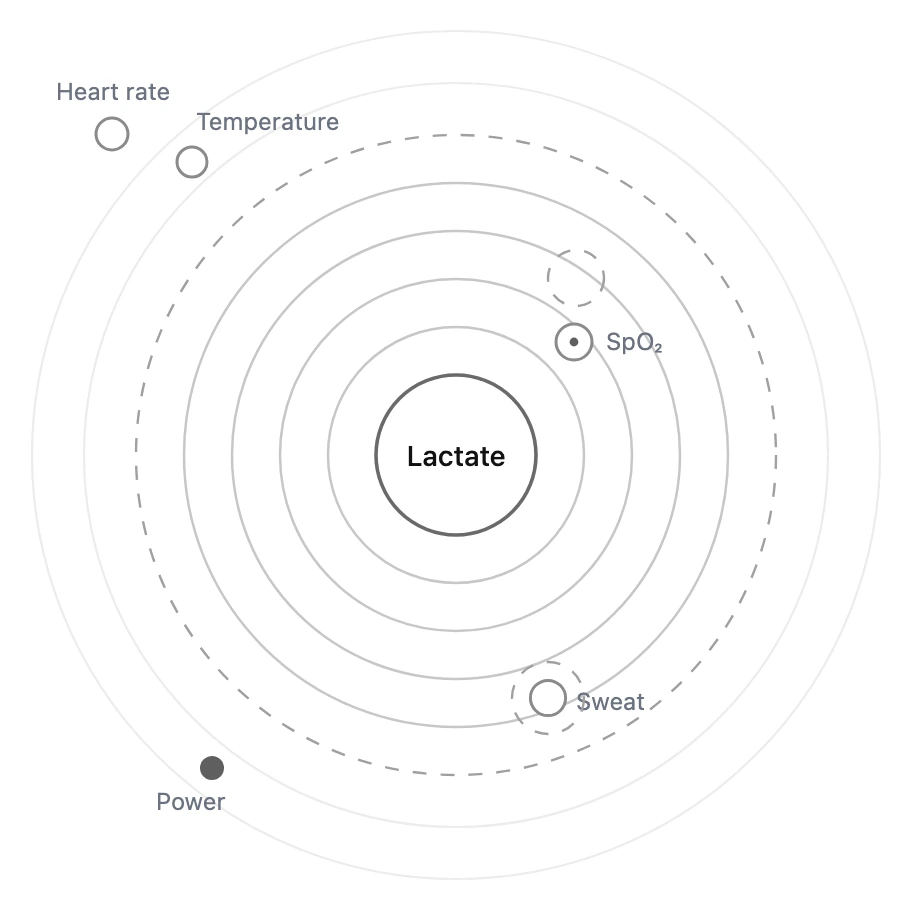
Athyx combines sensor inputs with activity context to present a structured view of training sessions. Data is organized over time to support a clearer understanding of patterns across sessions, helping transform complex signals into accessible training insights.
Discover the lactate curve1.1 Making tea
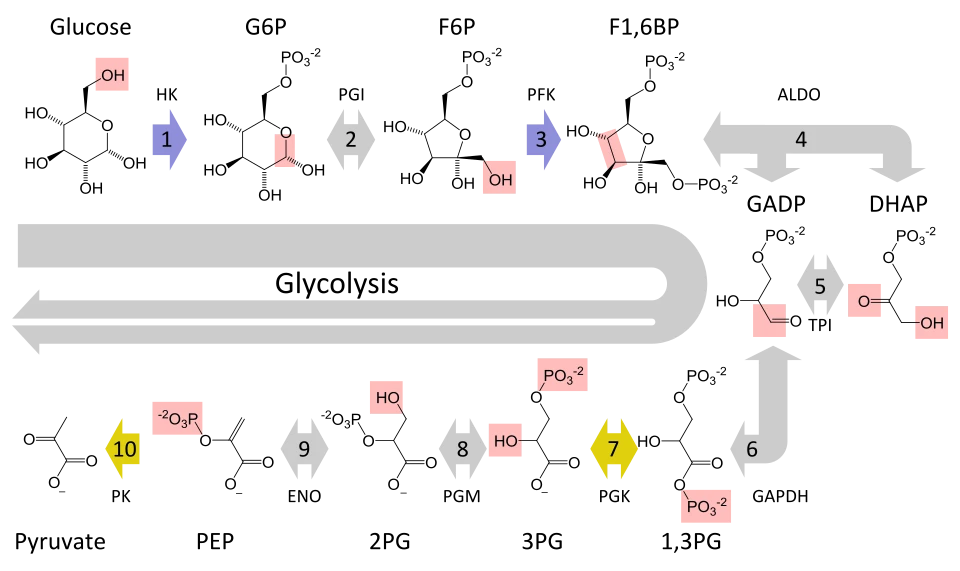
Lactate is a product of cellular fermentation, the same ancient process that makes kombucha. It is rudimentary biology, running deep inside your cells whenever they are stressed, even before you consciously feel it. Your body starts brewing long before your mind catches up.
1.2 Powerhouse
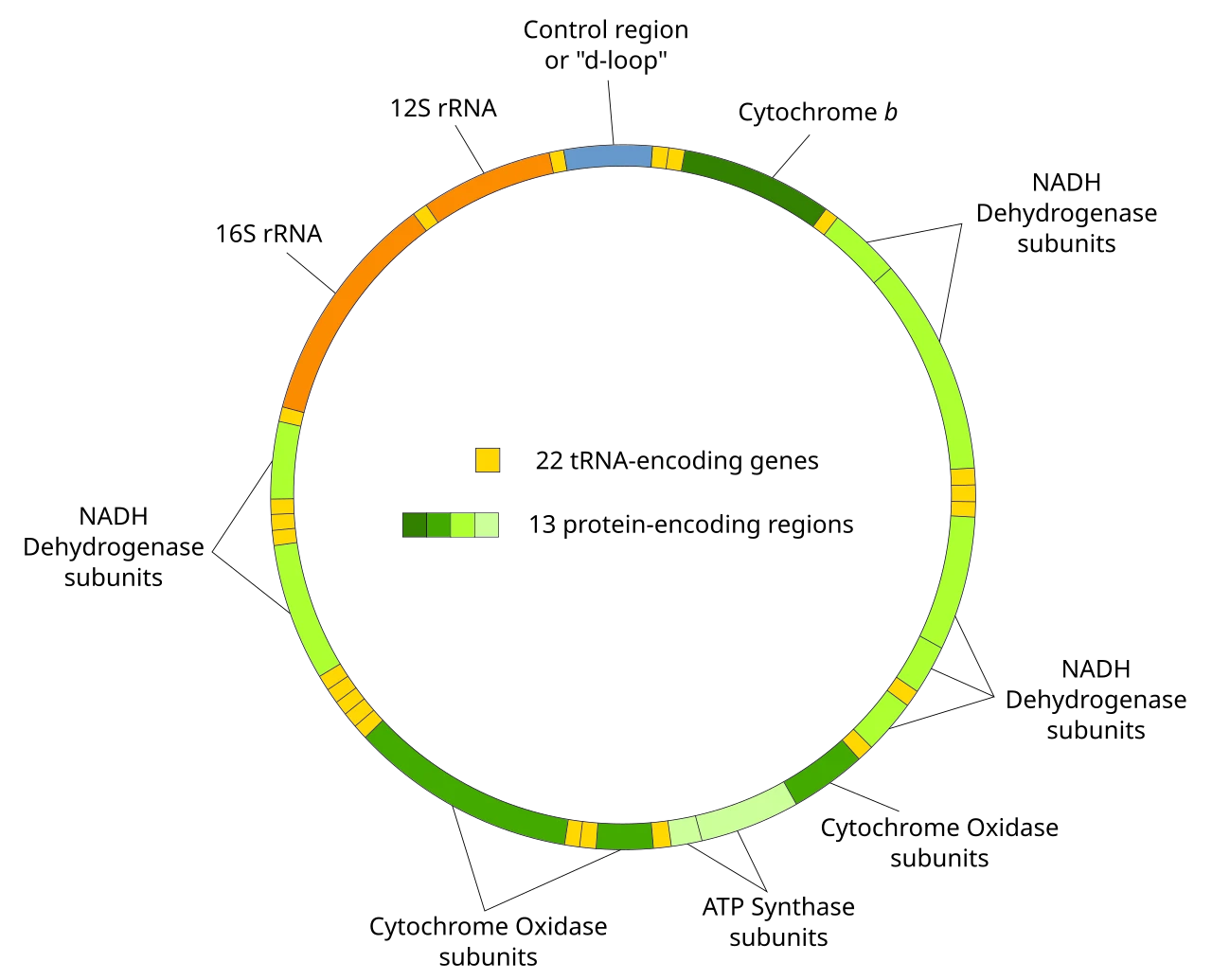
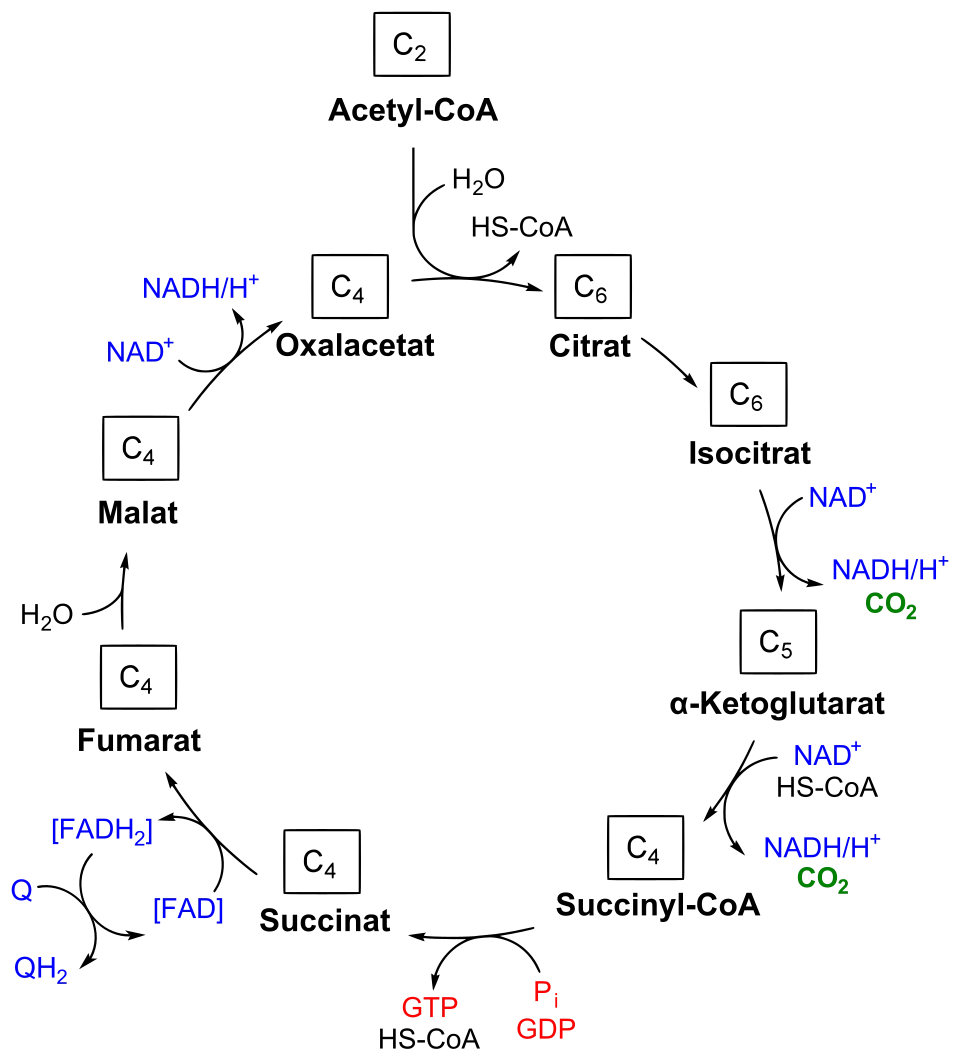
Mitochondria live their own life inside your cells, like cells within cells. A deep symbiosis that produces enormous amounts of energy by burning nutrients. But even these mini power plants have a maximum capacity, and when demand exceeds what they can handle, your cells fall back on fermentation.
1.3 Load balancer
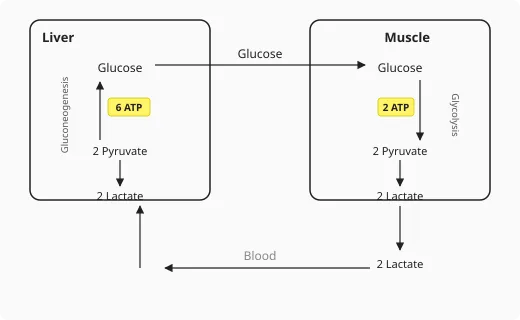
Lactate signals that it is time to involve other neighbouring cells and organs to cope with the demand. But it does not come without cost. Higher lactate means more stress, which produces even more lactate, which drives even more stress. A vicious cycle that, left unchecked, forces you to slow down or stop.
Precision
2.0 Move with precision
2.2 Heart rate
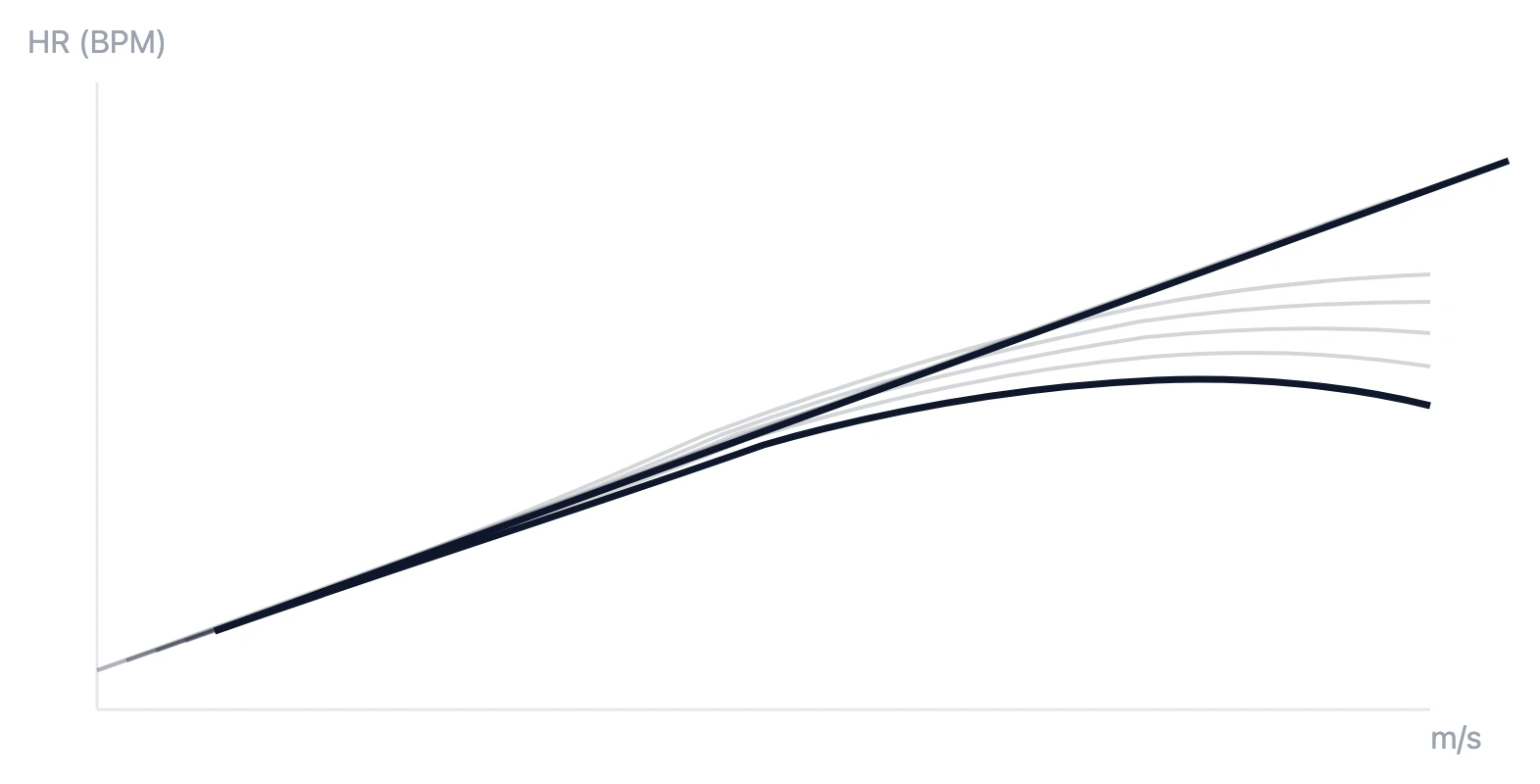
Heart rate is an overall indicator of how hard the body is working and is somewhat related to lactate. As lactate increases, heart rate typically rises as well, but only up to a certain point. Athyx wearables combine multiple signals to support a structured view of training intensity and session patterns. Understand how effort and load interact. Special attention is needed when training in hot weather.
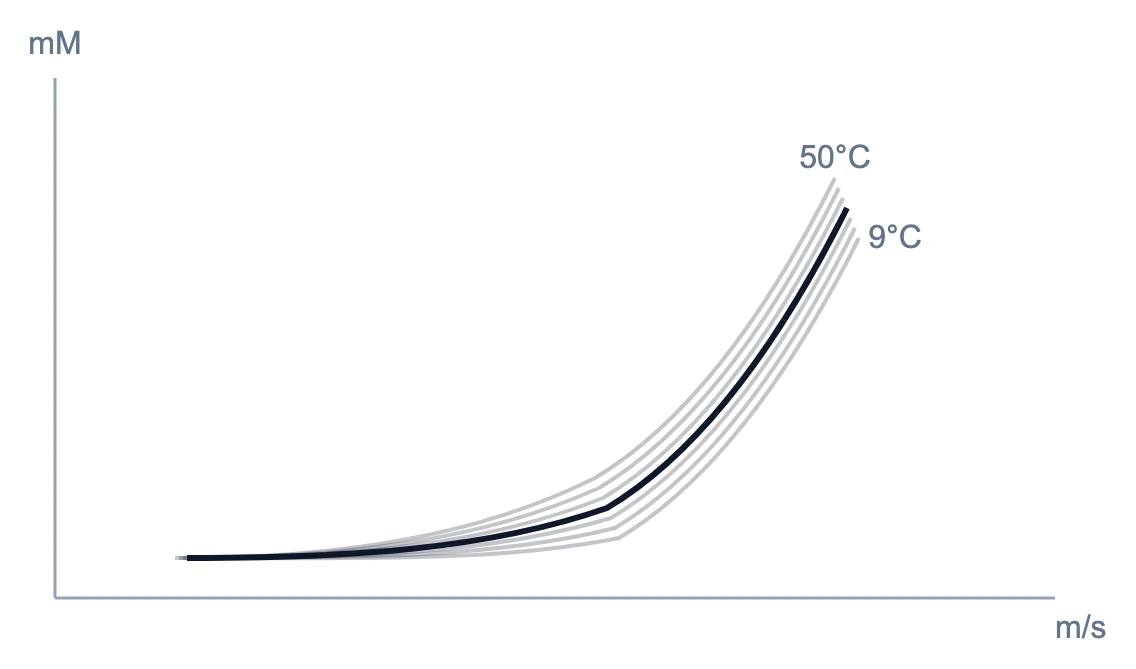
Lactate vs Heart Rate
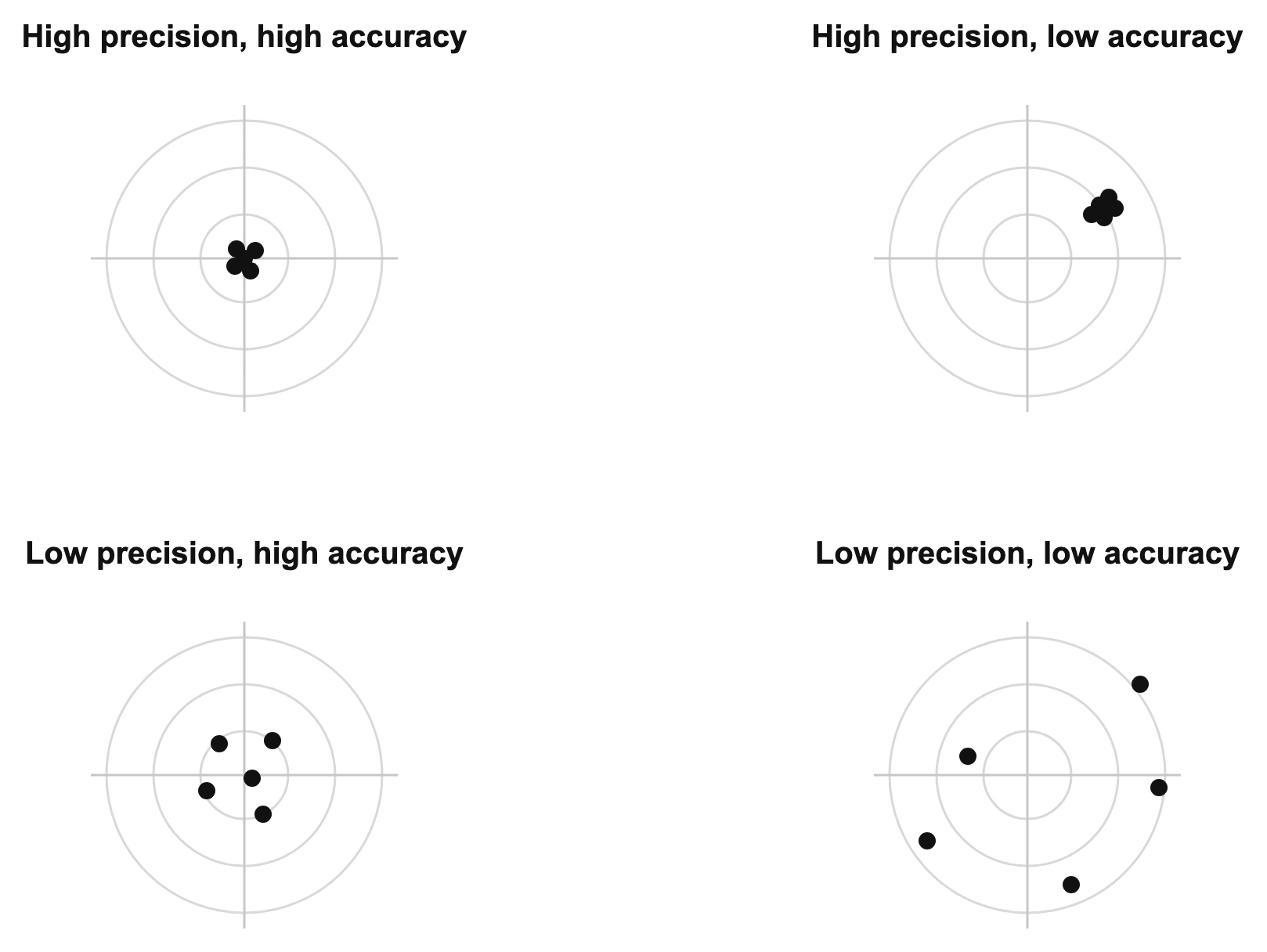
The goal is not to push harder. It is to get as close to 99% of your capacity for exactly that day, and not 1% over. That line moves every session. Lactate tells you where it is in real time, so you train at the edge without crossing it.
See complete datasetLactate vs Pace
2.1 Cut the noise
You never step in the same river twice, because the river has changed and so have you. Your lactate response shifts with sleep, stress, nutrition, altitude, and accumulated fatigue. Yesterday's threshold is not today's. The noise can come from devices, features and advice that do not move the needle. What matters is one signal that tracks your actual physiology right now, not a model built on last month's data.
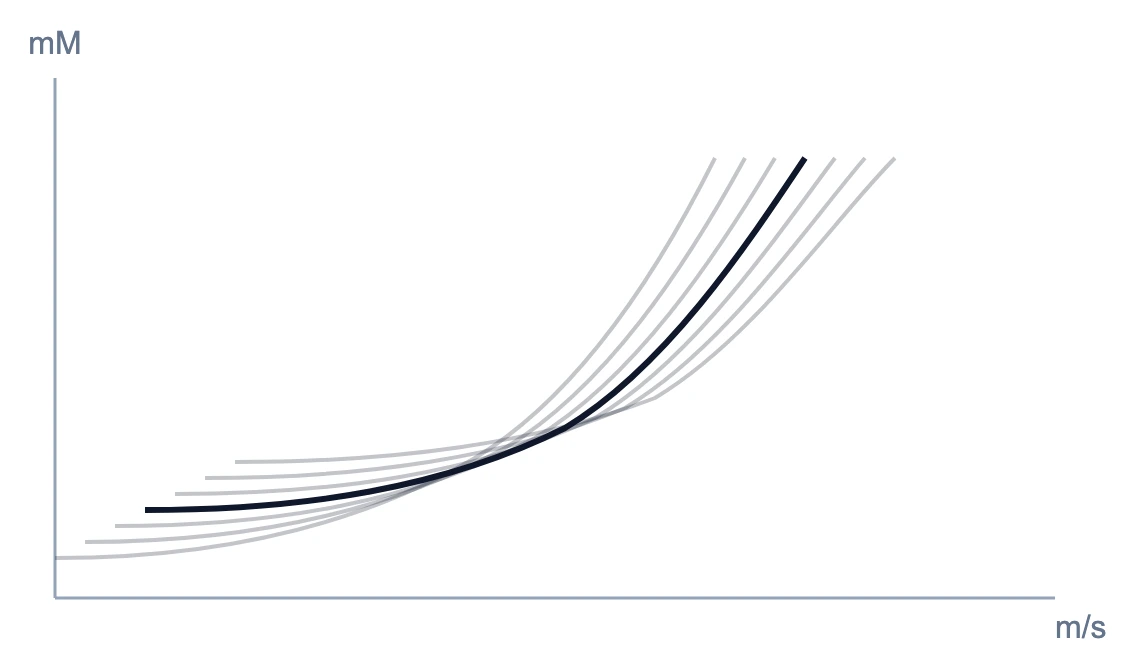
Lactate vs Heart Rate
2.2 Heart rate
Heart rate is an overall indicator of how hard the body is working and is somewhat related to lactate. As lactate increases, heart rate typically rises as well, but only up to a certain point. Athyx wearables combine multiple signals to support a structured view of training intensity and session patterns. Understand how effort and load interact. Special attention is needed when training in hot weather.
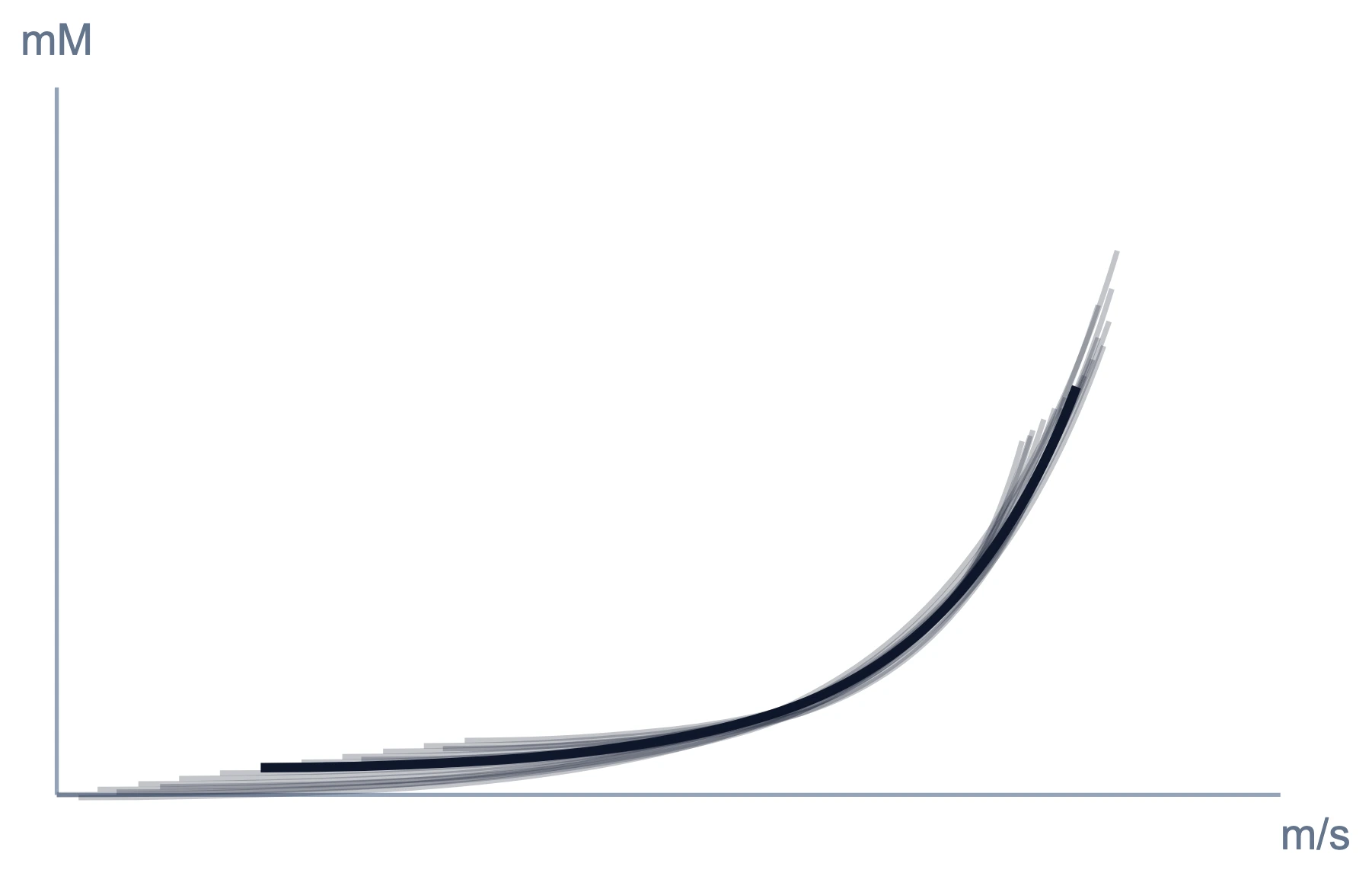
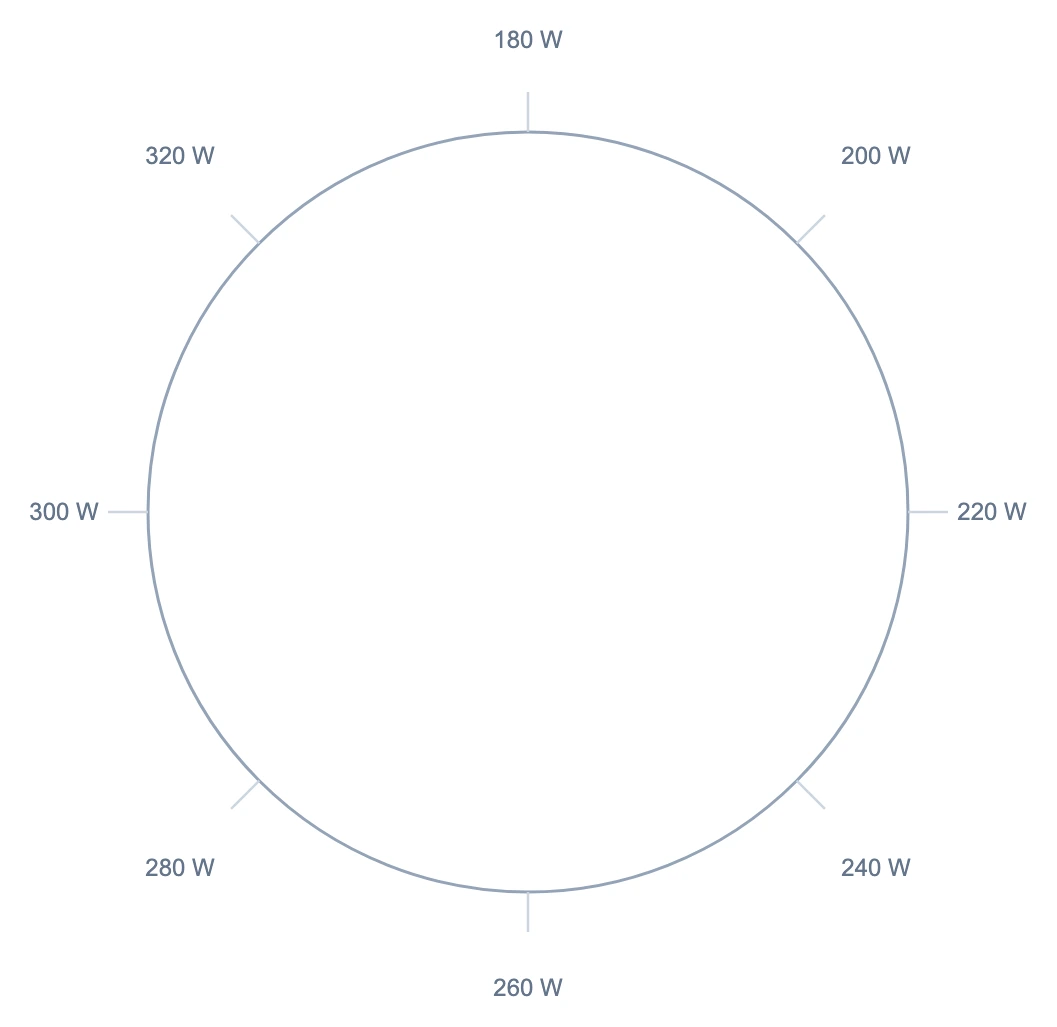
Lactate vs Power
Lactate vs Power
2.3 Metabolic load
What you feel is not necessarily how your body is functioning, yet athletes often rely on "mind over body" to achieve their goals. Metabolic load describes how much stress your system has absorbed, or in other words the cost you pay for a given benefit. Every session carries a metabolic price tag, and controlling intensity through lactate is how you take asymmetrical risks. Lactate fluctuates and metabolic load follows, so precise monitoring is essential.
Sweet Spot
3.0 Sweet spot is not a spot
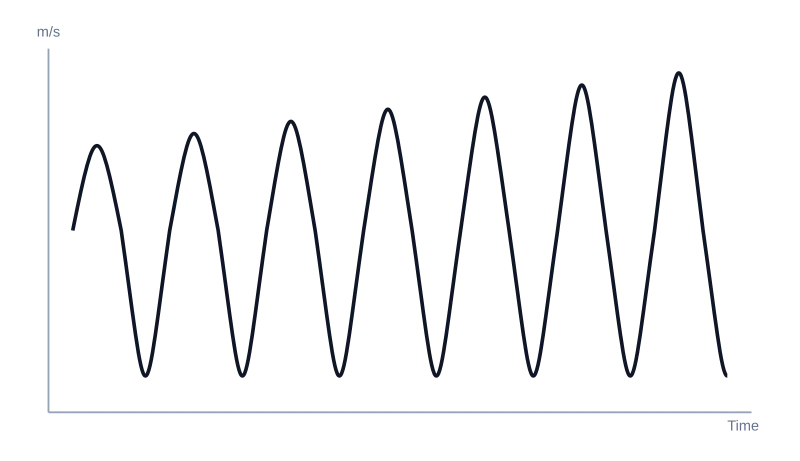
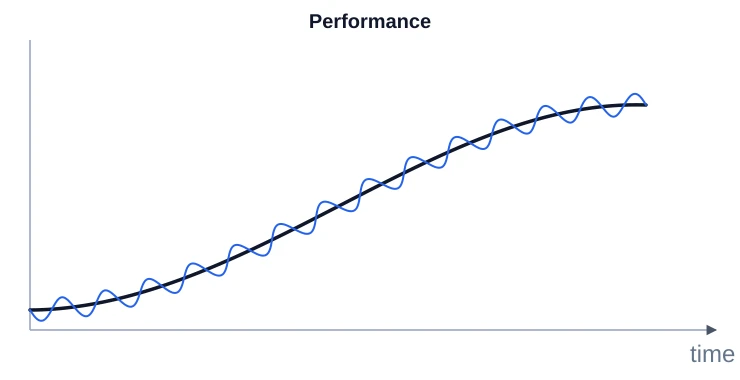
What most call sweet spot training is a controlled oscillation between two metabolic states. Popularized as the Norwegian model, the principle is to undulate just above and below your spot rather than hold a single intensity. Athyx presents these transitions over time, providing a clearer view of how patterns evolve across sessions.
Sample of training log3.1 Microstimulation
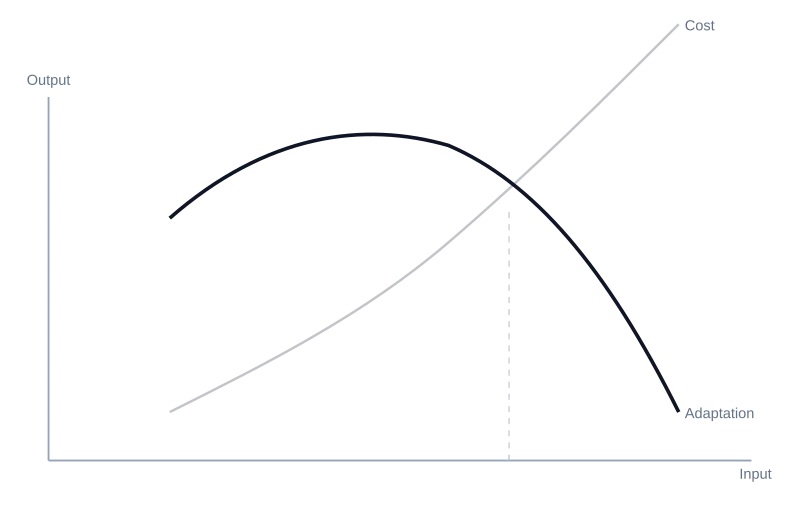
Contrary to the belief that more is always better, diminishing returns are real. You have to train strategically with respect to available time and your ability to recover. Breaking training into smaller pieces lets your body absorb each stimulus before the next one arrives. That is the key to progress without overcooking the system.
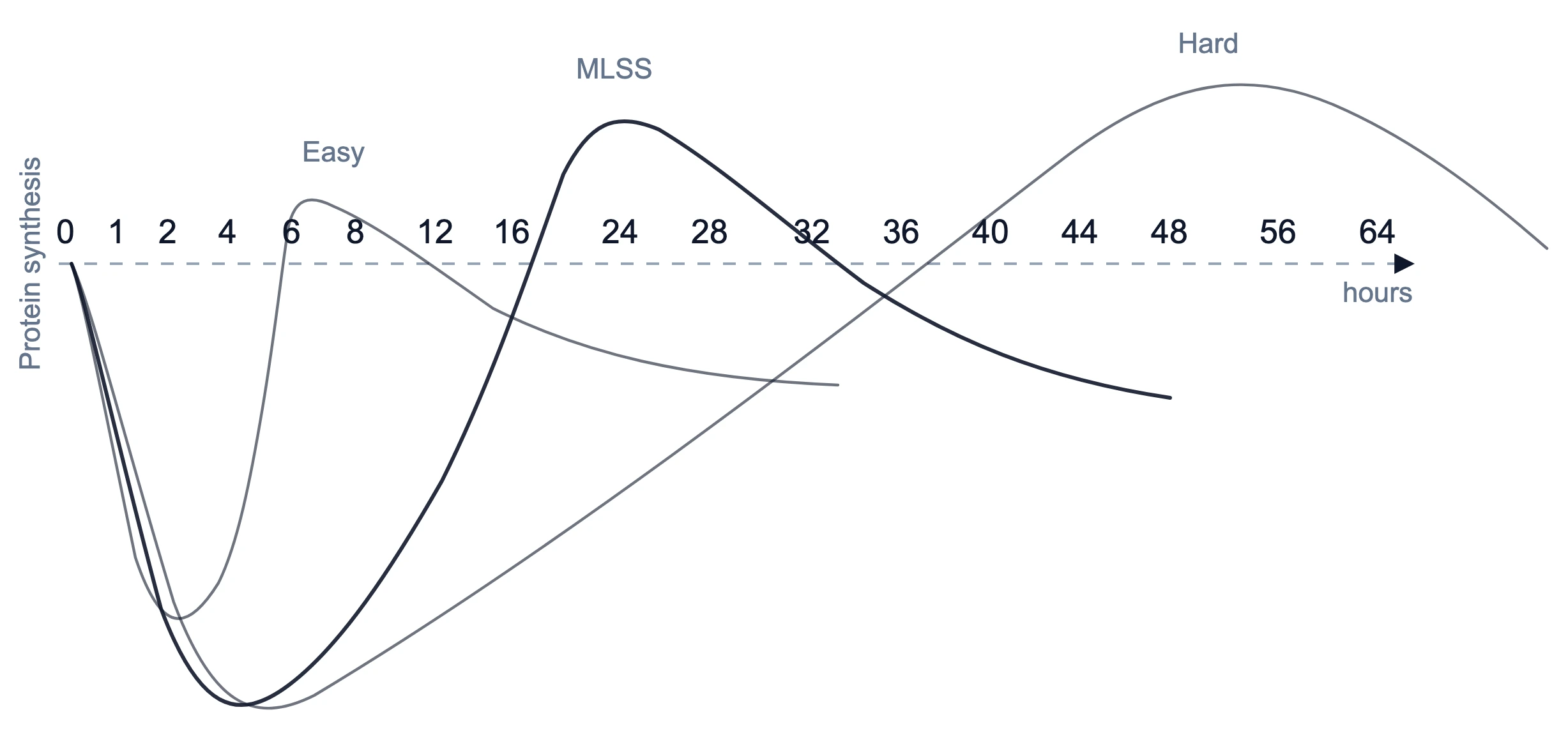
3.2 Embarrass the system
The foundation of growth is to make the body think it is not strong enough, but with the minimum effort required. The question is how close to the bonfire can you dance, and for how long, before you have to back away. Lactate gives you the answer. As long as you stay under 3 mM for the majority of training, this is what science calls sub-threshold.
3.3 Divide & conquer
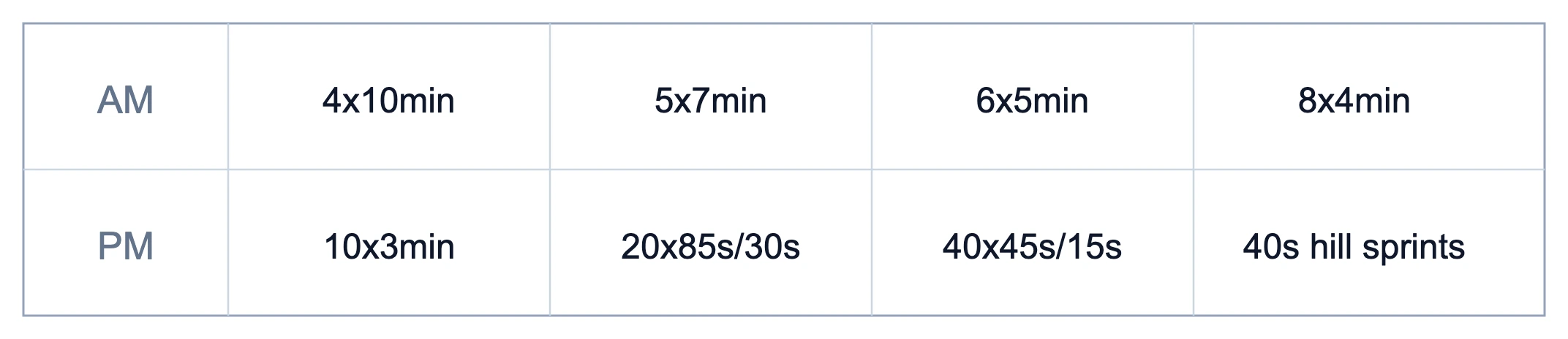
Divide your session into repetitions lasting 45 seconds to ten minutes, interspaced with short recovery periods of 15 seconds to one minute. Cover the full spectrum of power, higher for shorter repetitions and lower for longer ones. Your body peaks later in the day, so place the tougher sessions in the afternoon.
Training is to give to the body some stimulus. The answer of your body to the stimulus is training
R. Canova
Get Alpha
Built with precision engineering and cutting-edge materials.
Electronics
Engineered after highest standards.
Bluetooth
Wireless instant connection.
Certified
Radiofrequency, CE, ISO and Reach.
Extreme Testing
Waterproof to 50m and scratch resistant.